Defining Veterinary Science
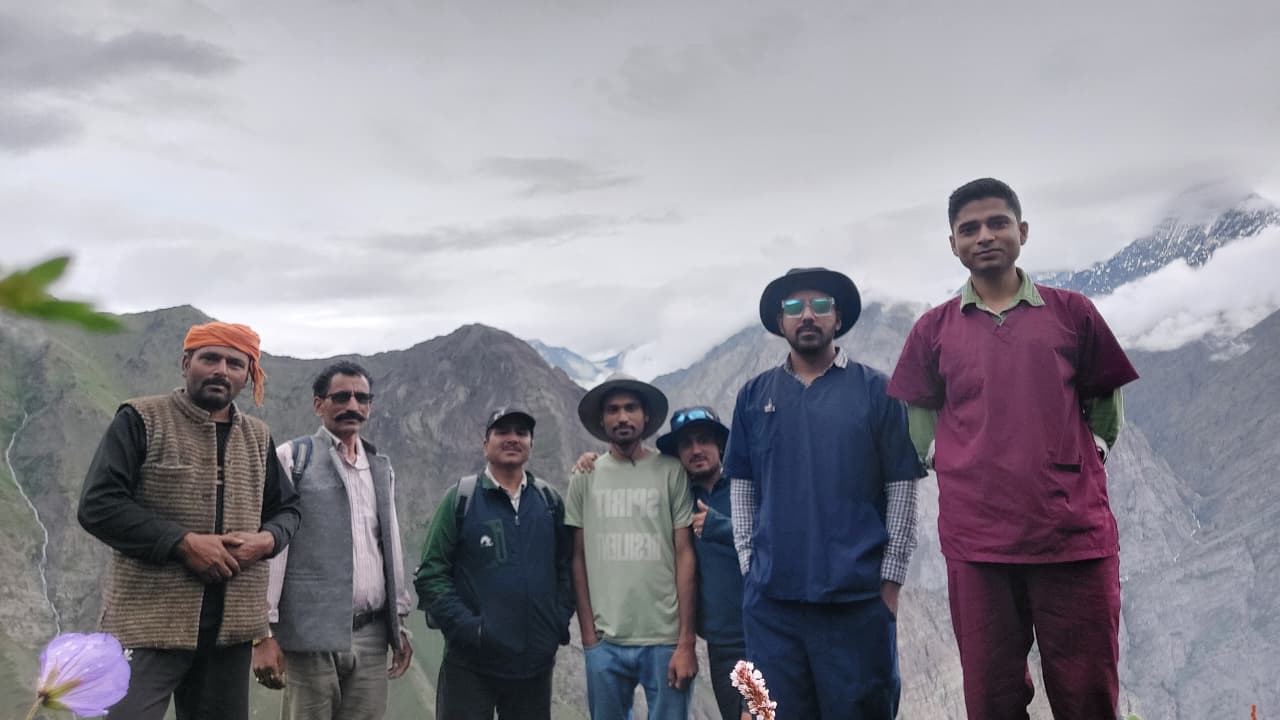
Veterinary science (also called veterinary medicine) is the branch of science concerned with the health, welfare, and diseases of animals. It encompasses prevention, diagnosis, and treatment of illness and injury in animals from household pets to wild elephants, from dairy cattle to racehorses, from poultry to exotic zoo species.
But that barely scratches the surface. Modern veterinary science is deeply intertwined with human health, food security, environmental protection, and global economics.
The Scope of Veterinary Science
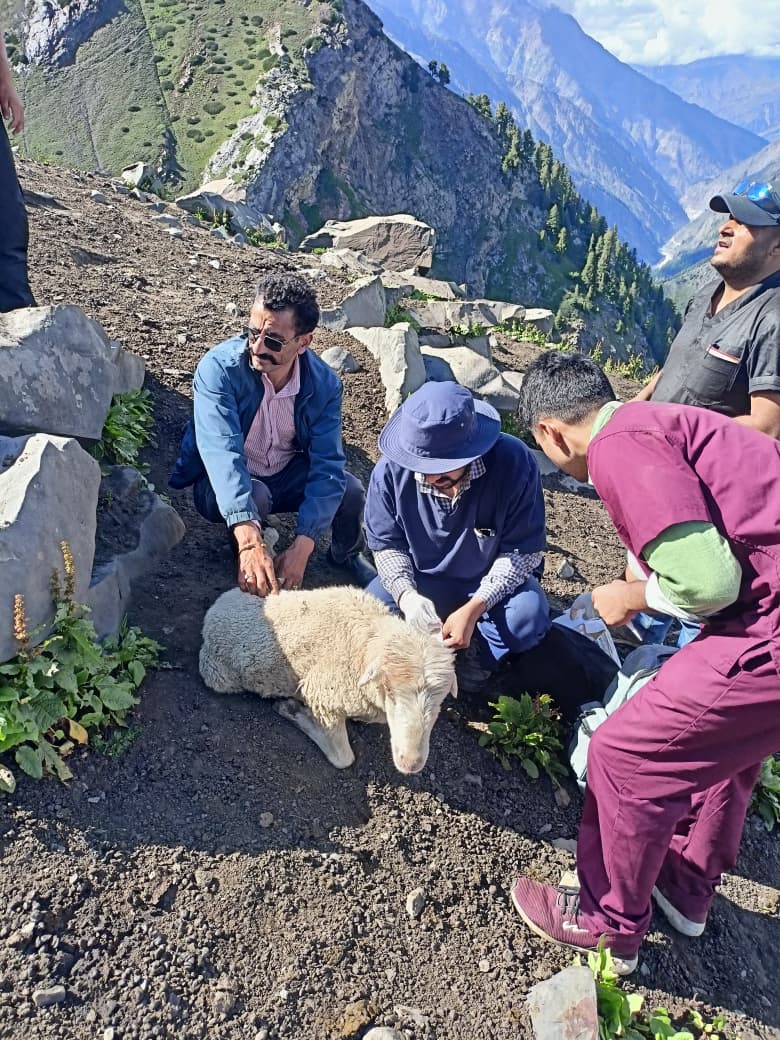
Veterinary science covers an enormous range of disciplines:
- 🔬 Veterinary Anatomy & Physiology Understanding how animal bodies are built and function
- 💊 Pharmacology & Therapeutics Medicines, vaccines, and treatment protocols
- 🐉 Animal Surgery From routine sterilization to complex orthopedic procedures
- 🌿 Animal Nutrition Feed science, dietary requirements, and production optimization
- 📋 Veterinary Public Health Food safety, zoonotic disease control, and epidemiology
- 🧬 Animal Genetics & Breeding Genetic improvement, breed conservation, genomics
- 📡 Livestock Production Management Dairy, poultry, sheep, goat, and pig farming systems
- 🔥 Wildlife & Aquatic Animal Medicine Conservation medicine, fish disease, zoo animal care
What Do Veterinarians Actually Do Each Day?
A vet’s day depends enormously on where they work and what kind of veterinarian they are. Here is a snapshot across different roles:
🐄 The Livestock Field Vet
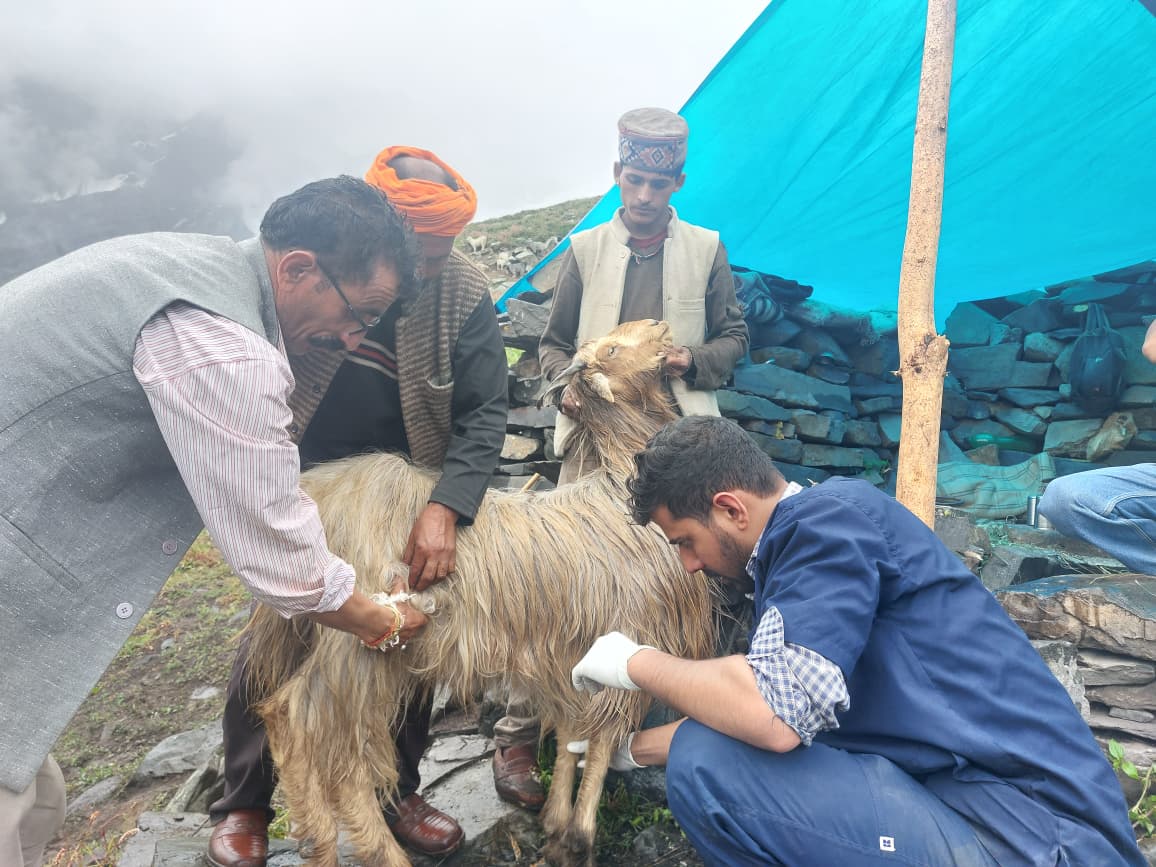
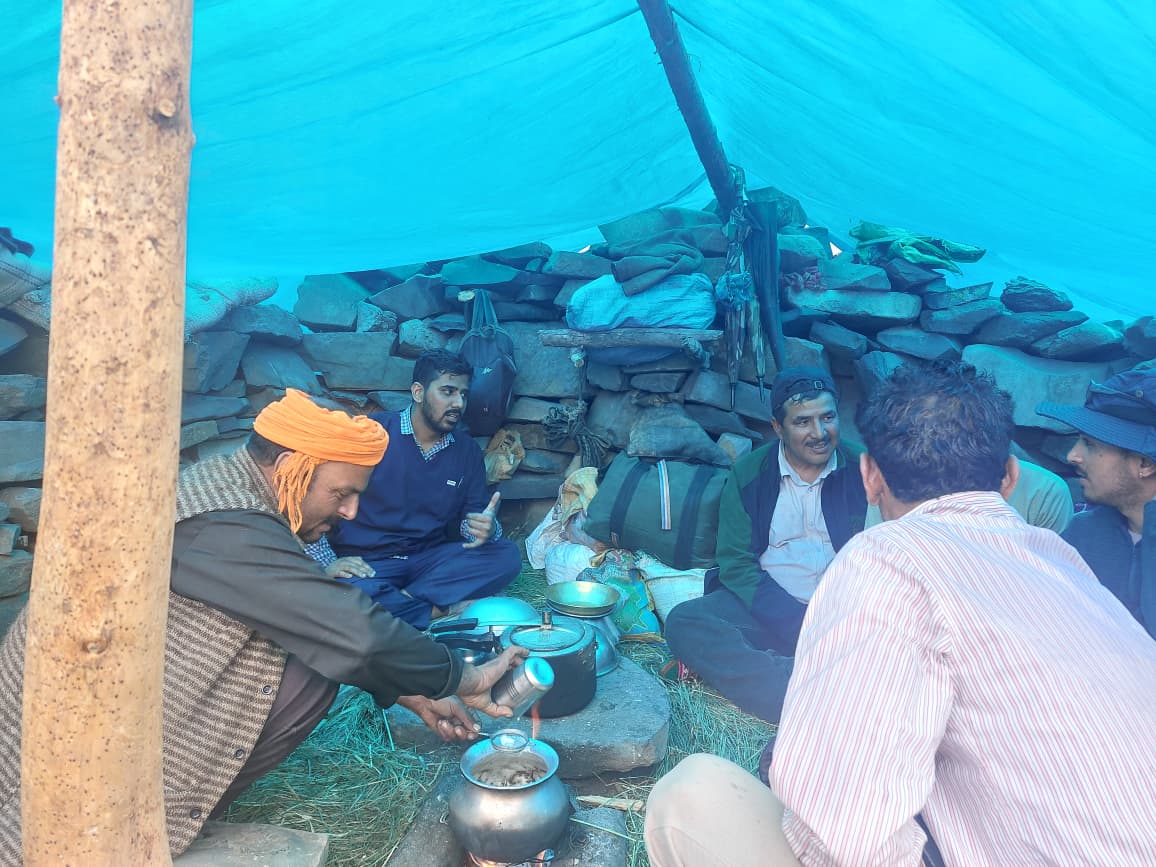
This is perhaps the most demanding role in Indian veterinary practice. A field vet covering rural blocks might drive hours on unpaved roads, treat cattle for foot-and-mouth disease in the morning, assist with a difficult delivery in a buffalo at noon, run a vaccination camp for sheep in the afternoon, and take an emergency call at midnight for a horse with colic.
🔬 The Research Veterinarian
Based in institutions like IVRI (Bareilly), NDRI (Karnal), or veterinary universities, research vets develop new vaccines, study disease outbreaks, investigate antimicrobial resistance, and publish findings that shape animal health policy across India and globally.
💊 The Public Health Veterinarian
These vets work at the intersection of animal and human health. They investigate zoonotic disease outbreaks (diseases that jump from animals to humans, like rabies, bird flu, or brucellosis), inspect slaughterhouses for food safety, and collaborate with human health authorities. They are central to the One Health framework the understanding that human, animal, and environmental health are inseparably linked.
🌟 The Wildlife & Conservation Vet
Working in national parks, zoos, and forests, these specialists treat injured tigers, vaccinate elephants, monitor bird flu in migratory species, and study how habitat loss affects animal disease dynamics.
Why Veterinary Science Matters More Than Ever
Approximately 60% of all human infectious diseases originate in animals (COVID-19, Ebola, Nipah, and bird flu among them). Veterinarians are our first line of defence against the next pandemic.
Beyond disease, veterinarians safeguard the food supply for billions of people inspecting dairy, meat, poultry, and seafood to ensure it is safe to eat. In India, where livestock is the primary livelihood for hundreds of millions of rural families, veterinary services are not a luxury they are essential infrastructure.
Veterinary Science as a Career
A degree in veterinary science (B.V.Sc & AH) in India opens doors to careers in:
- Government veterinary services & livestock departments
- Research institutions (IVRI, NDRI, ICAR institutes)
- Veterinary universities (teaching & research)
- Private clinics & hospitals for companion animals
- Pharmaceutical & feed companies
- Non-governmental organizations & international agencies (FAO, OIE)
- Dairy & poultry industry
- Wildlife conservation & zoo management
- Veterinary journalism, blogging, and science communication