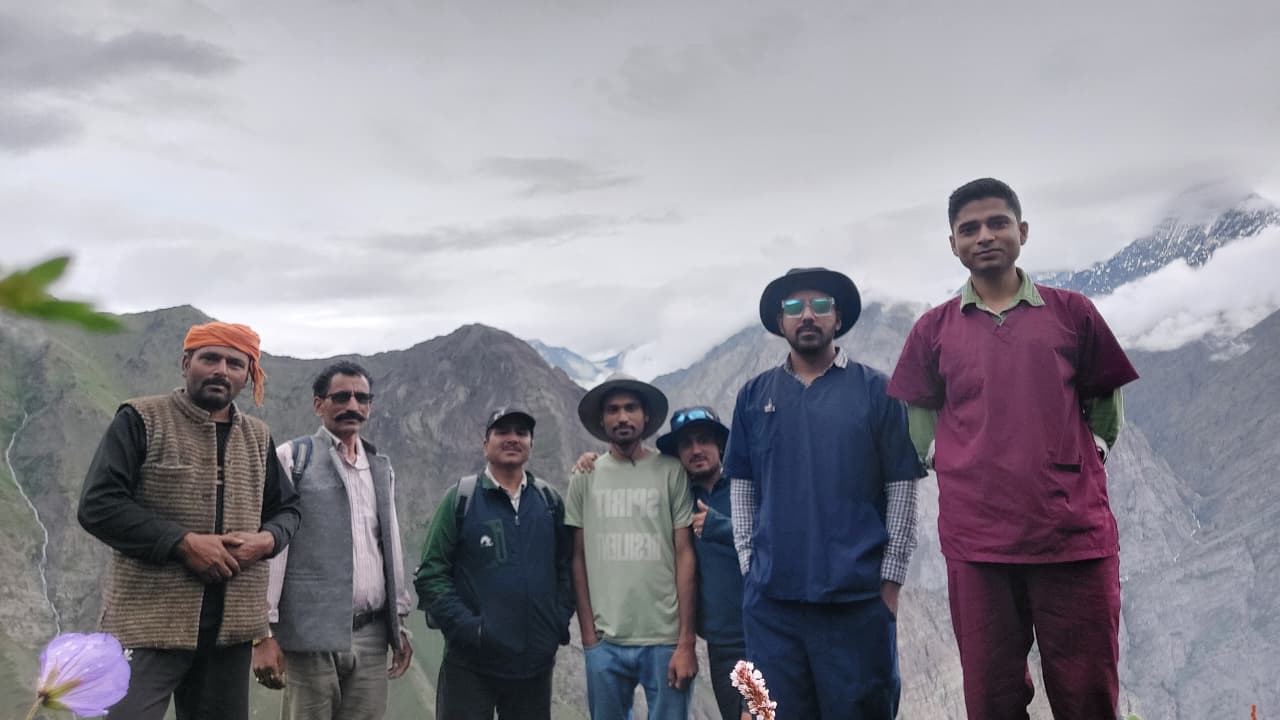
The Geographical and Climatic Context
Access to medicines, equipment, and diagnostic support is limited, prompting veterinarians to rely on their creativity and swift decision-making to handle emergencies effectively. Lahaul’s geographical isolation presents unique challenges for both its residents and the professionals working in the area. With long winters, frequent snowfall, and limited connectivity to the outside world, routine veterinary work often demands extraordinary effort.
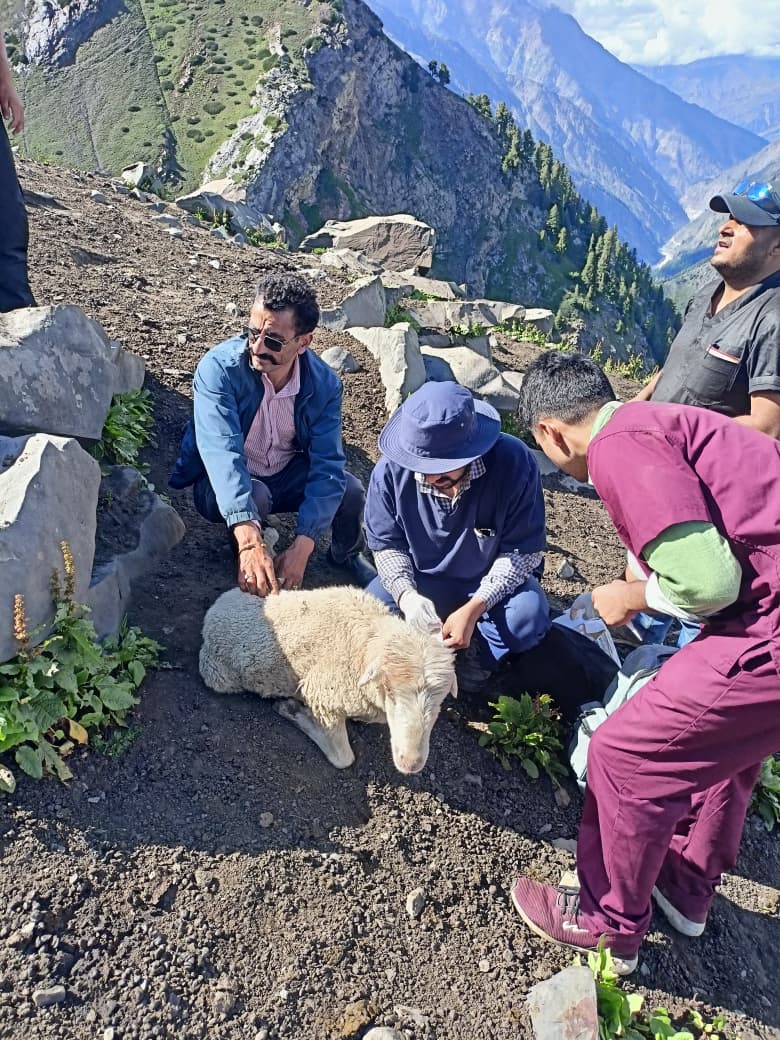
The Role of Livestock in the Local Economy
Agriculture and livestock form the backbone of Lahaul’s rural economy. Animals providing milk, meat, and wool play crucial roles in agriculture and transport, becoming essential to livelihood security. Each treated animal is not just a patient but a vital contributor to a household’s sustenance. This direct connection between veterinary services and community wellbeing adds urgency and importance to every case managed in the field.
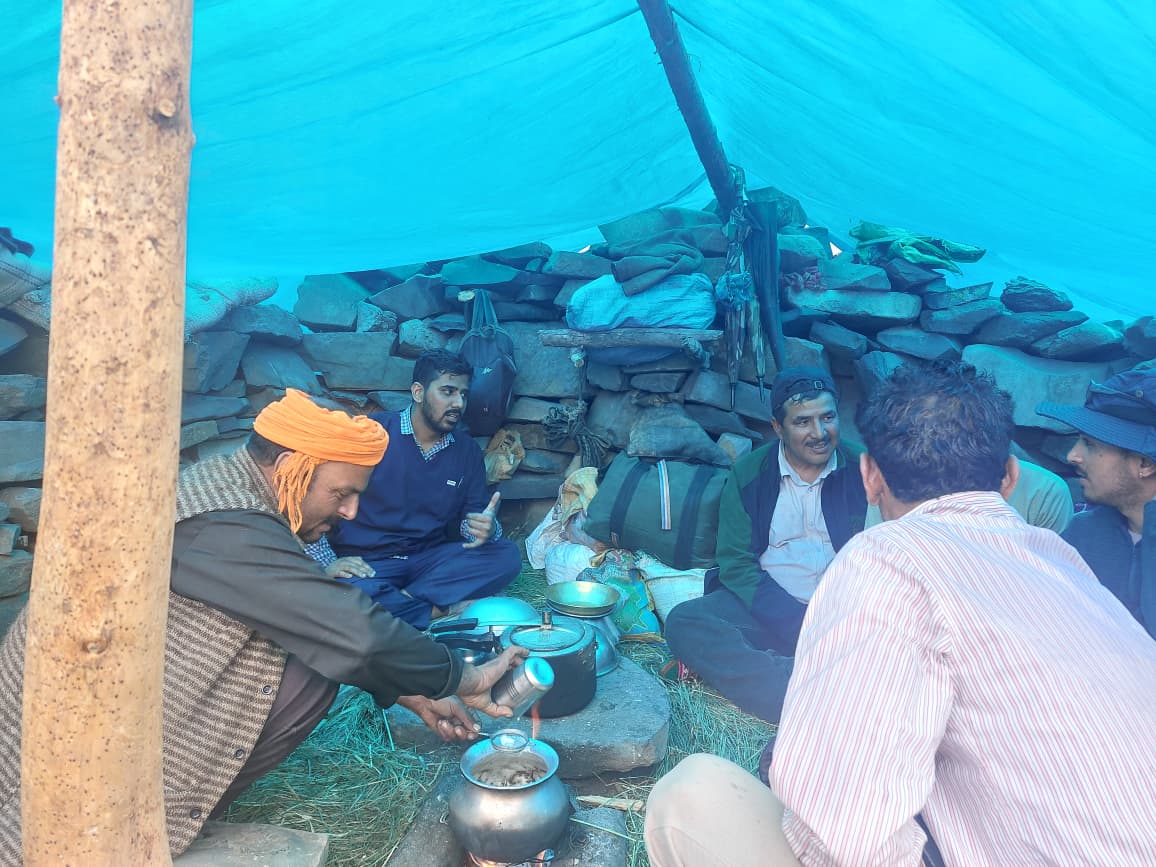
Professional Challenges and Adaptation
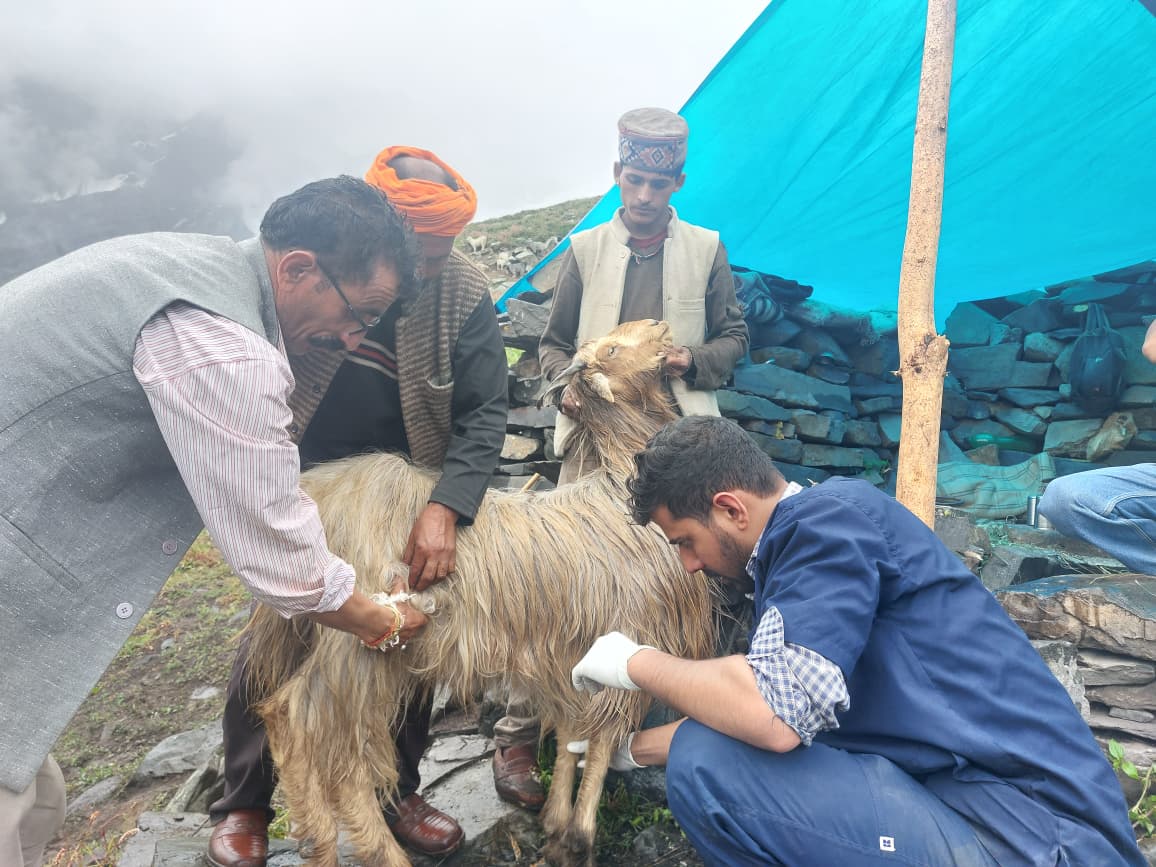
Veterinary practice in the valley extends well beyond clinical treatment, encompassing a variety of professional challenges that require adaptation. The limited availability of medicines, delays in government supplies, and infrastructural constraints call for creativity and resourcefulness. Whether managing emergencies such as prolapse, fractures, or contagious diseases, or organizing seasonal vaccination programs, this work demands resilience, patience, and an exceptional ability to adjust to ever-changing circumstances.
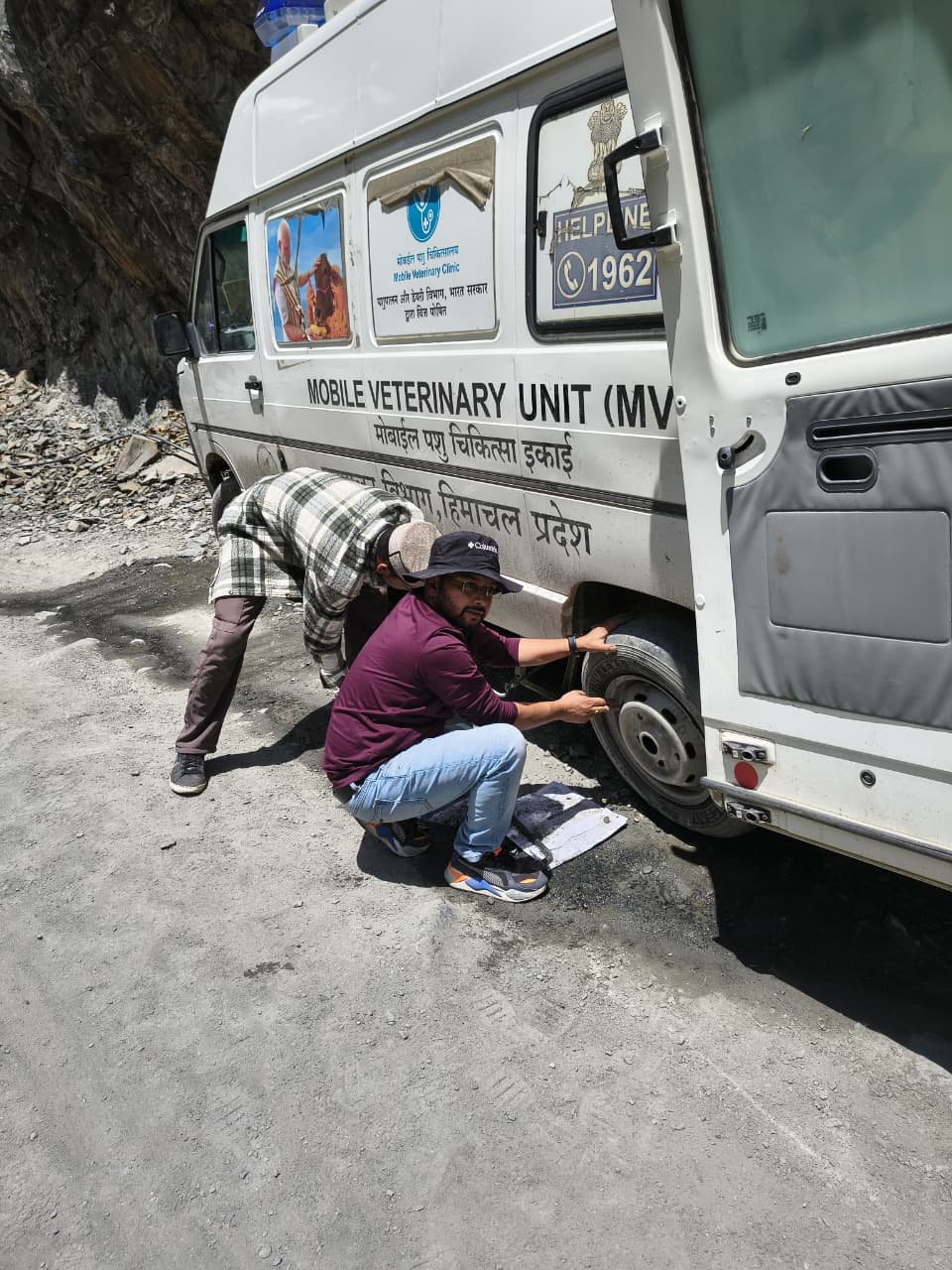
Importance of Collaboration
In regions like Lahaul, where resources and accessibility can be limited, collaboration within the veterinary field becomes a cornerstone of effective animal healthcare. Intra-departmental cooperation is essential, enabling veterinary professionals to pool their expertise, share insights, and tackle complex or unusual cases with a comprehensive approach.
By fostering open communication and collaboration among different veterinary units, practitioners can share valuable experiences and knowledge, leading to improved diagnostic and treatment protocols. This cooperative spirit enhances the quality of care provided to animals and contributes to the continuous professional development of veterinarians in the valley.
Ultimately, such a collaborative network ensures that even in remote areas, animals receive the best possible care, reflecting the dedication of the veterinary community to their work and the communities they serve.
Animals of the Valley
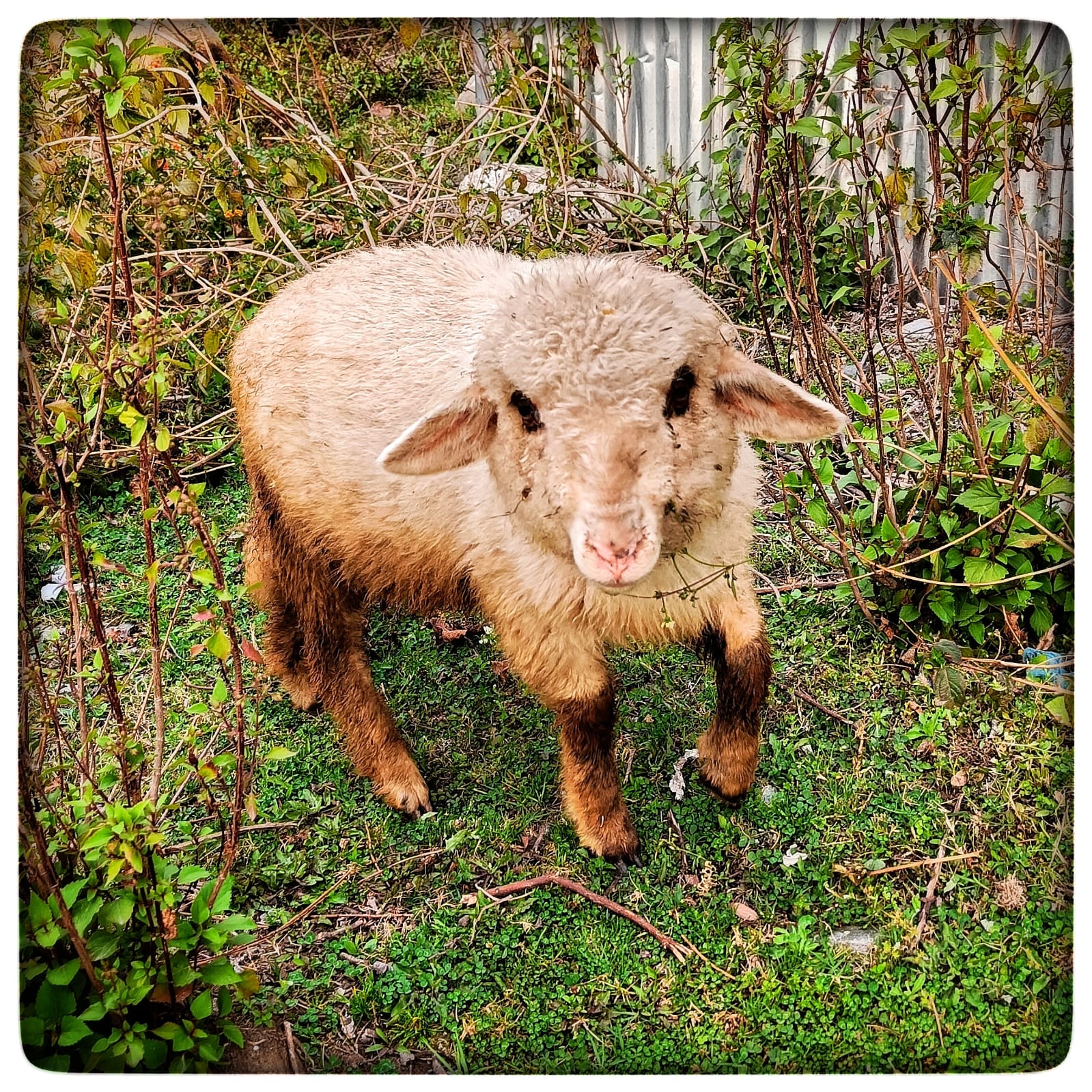
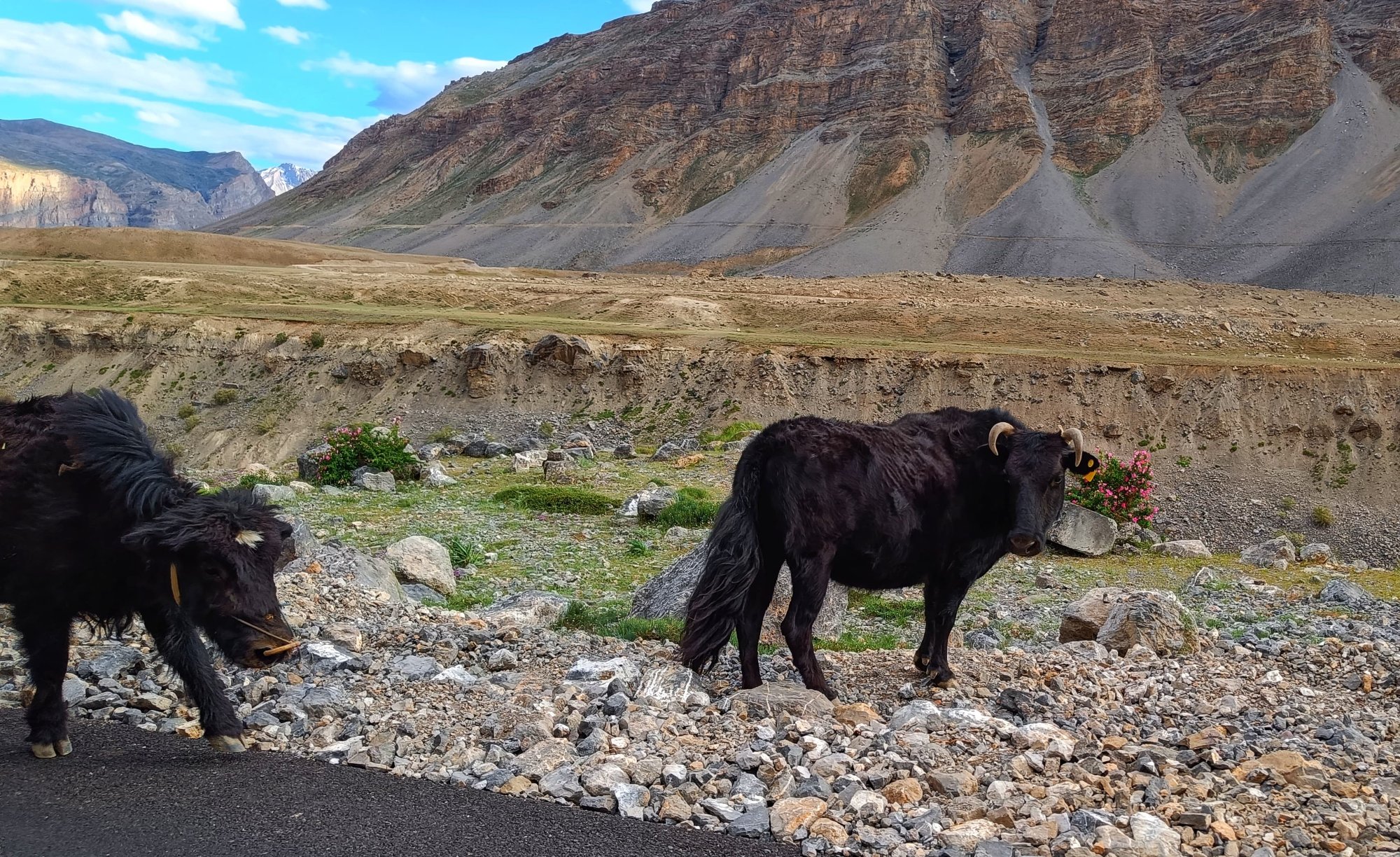
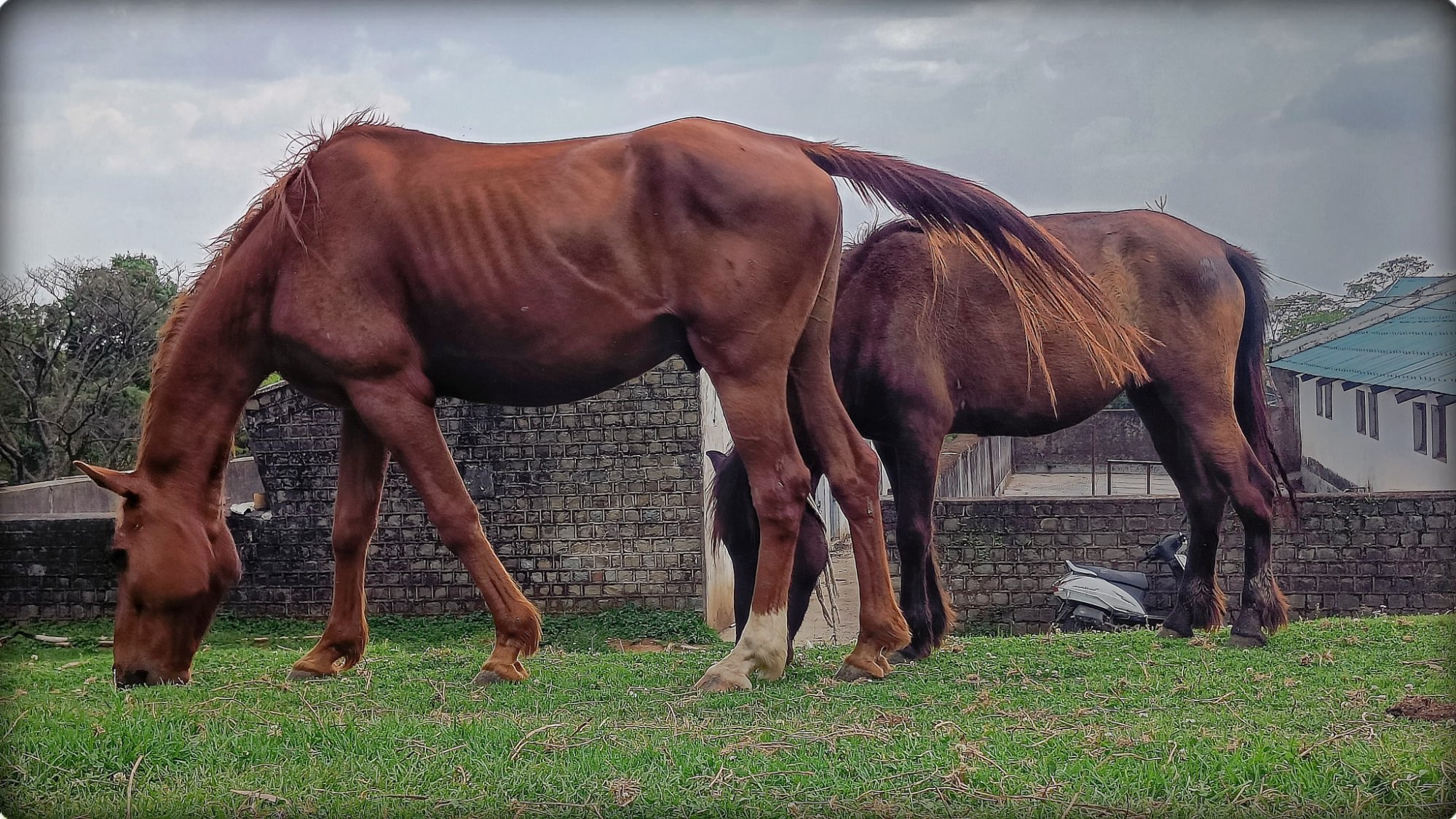
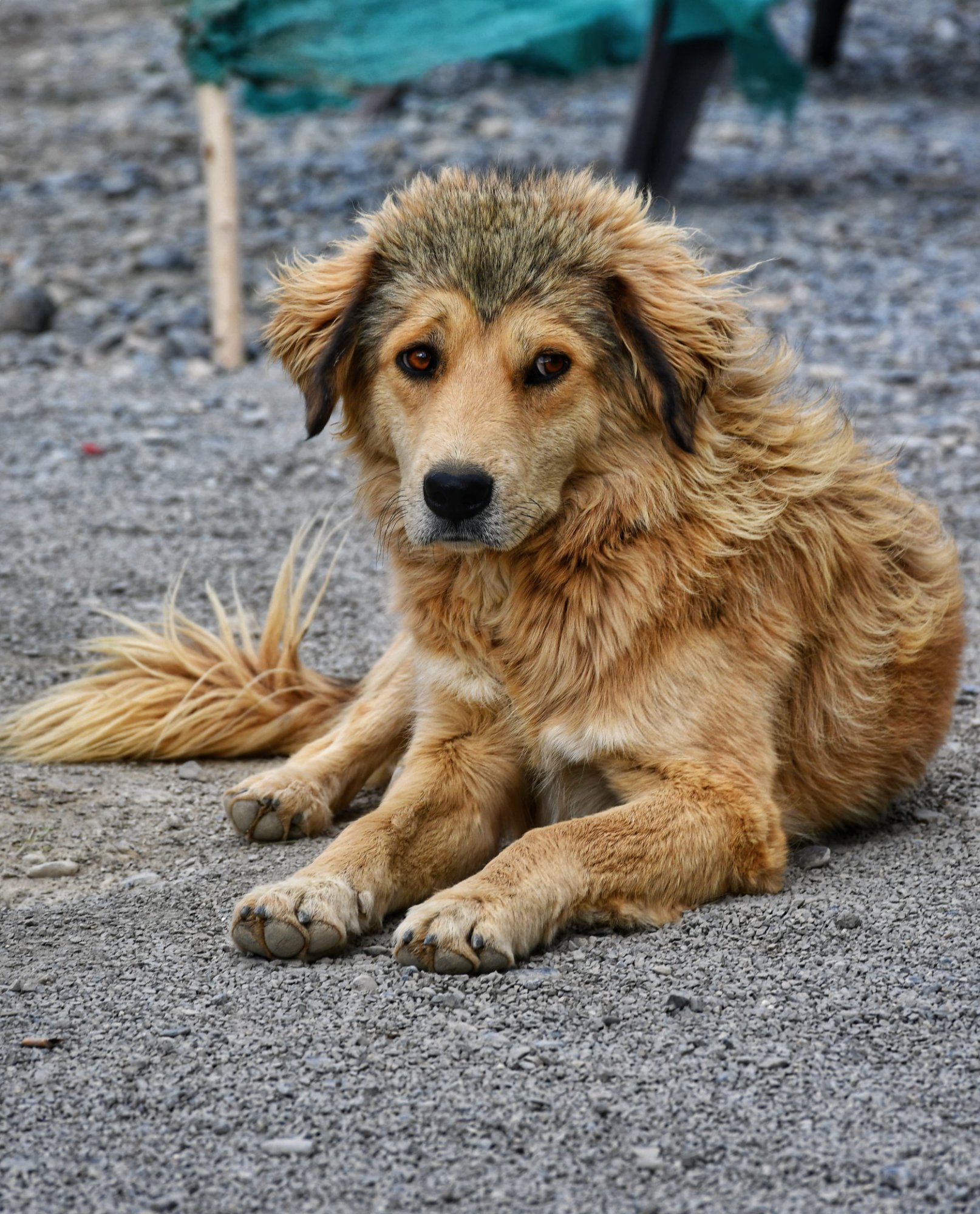
The diverse fauna of Lahaul Valley presents veterinarians with a wide range of species to care for from domestic livestock such as sheep, goats, horses, and yaks, to the beloved dogs that guard the mountain homesteads. Each species brings unique health challenges shaped by the extreme altitude and climate.
Conclusion
Veterinary service in Lahaul Valley is far more than a clinical profession it is a calling that demands physical endurance, emotional resilience, and deep community bonds. Every treated animal represents a family’s livelihood, and every collaboration strengthens the fabric of care that sustains these remote mountain communities. The journey continues, one mountain road at a time.